Movement Factors
in Relation
to Eukinetics
Factor Force
The transport of the body weight through space, and the execution of a body gesture is possible either through muscular force or by body weight. (excluding consciously external forces)
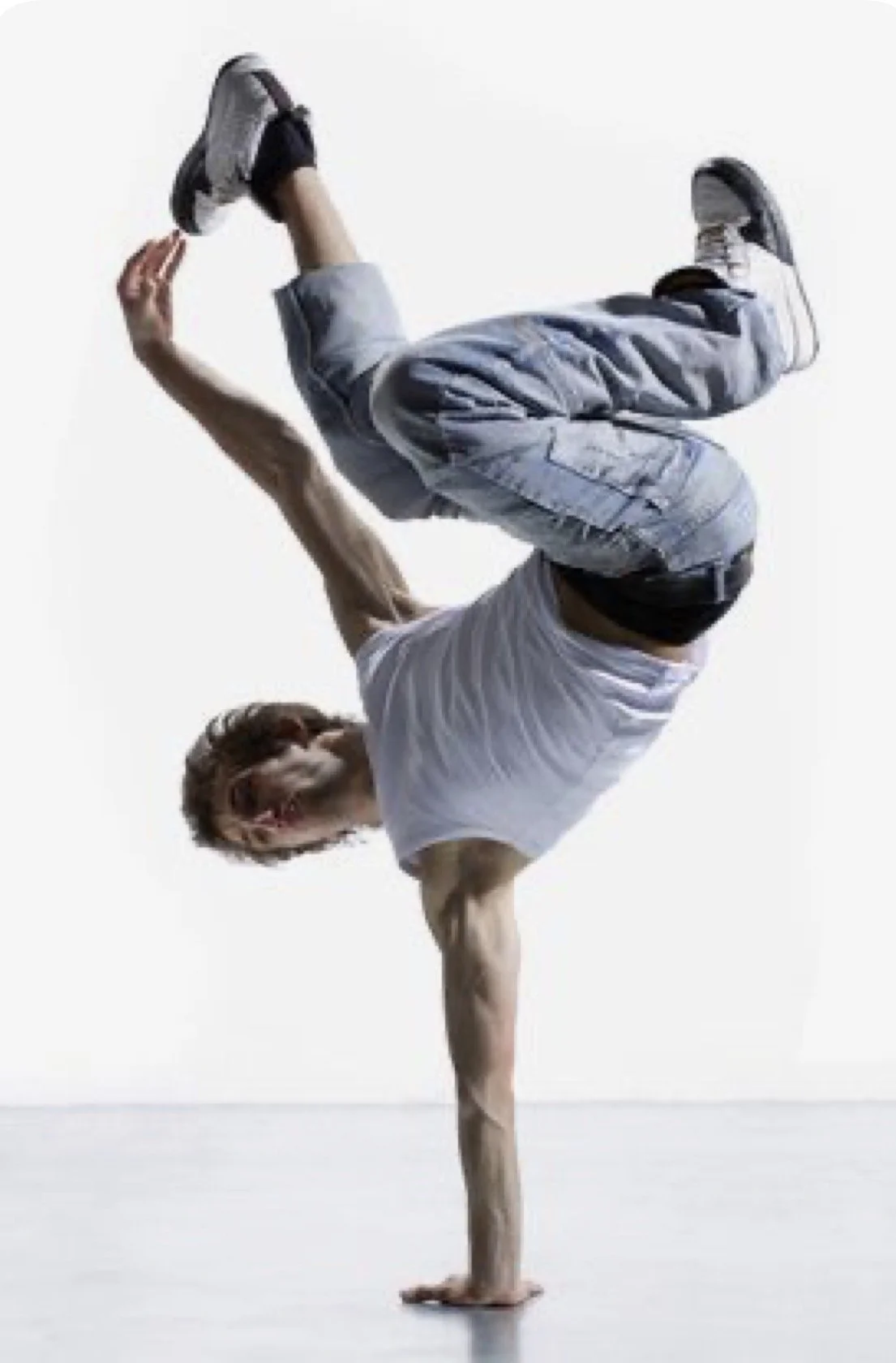
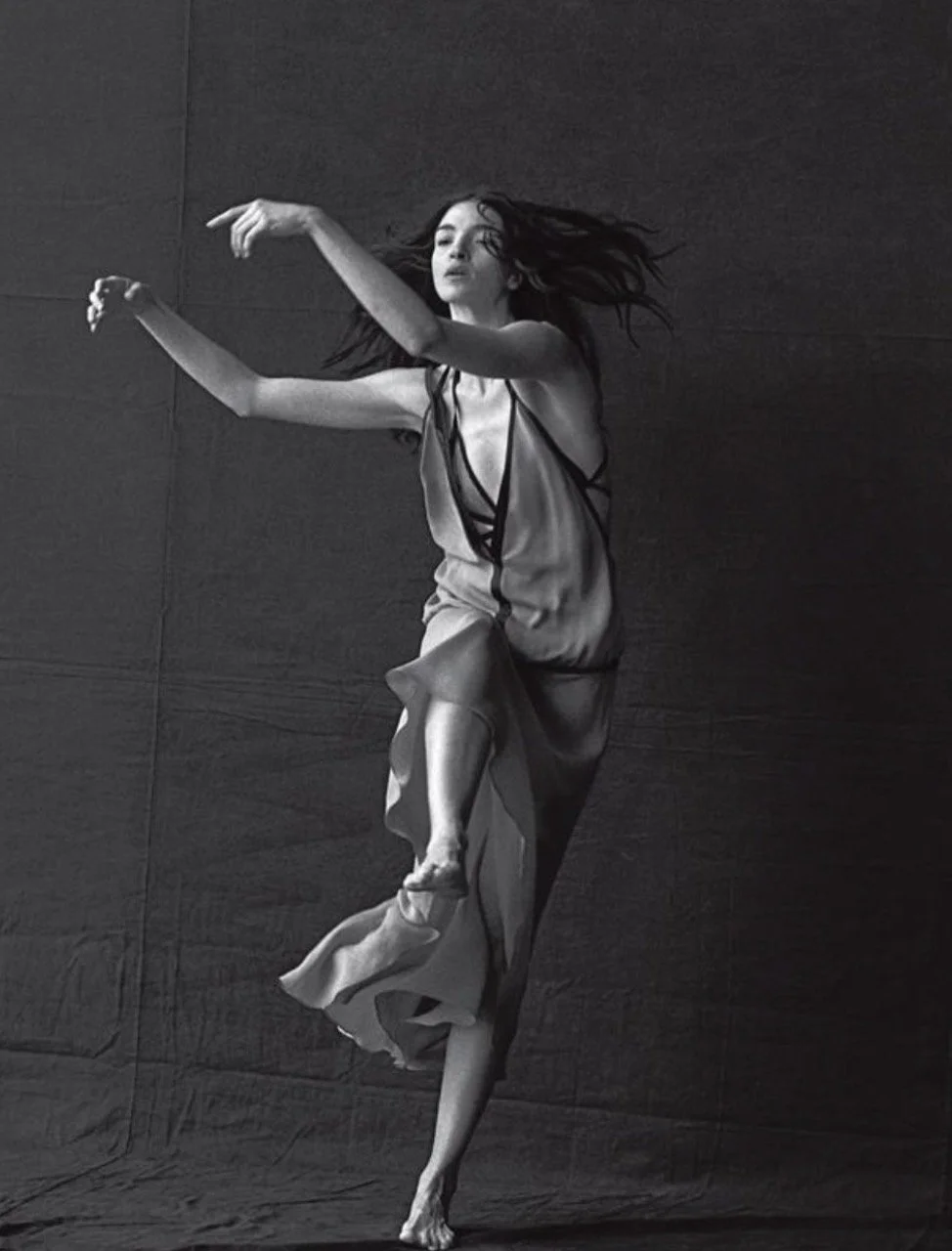
When we move the body and its parts through muscular energy like jumping from stone to stone, walking up a staircase or lifting the arm, one defines this as active weight transport.
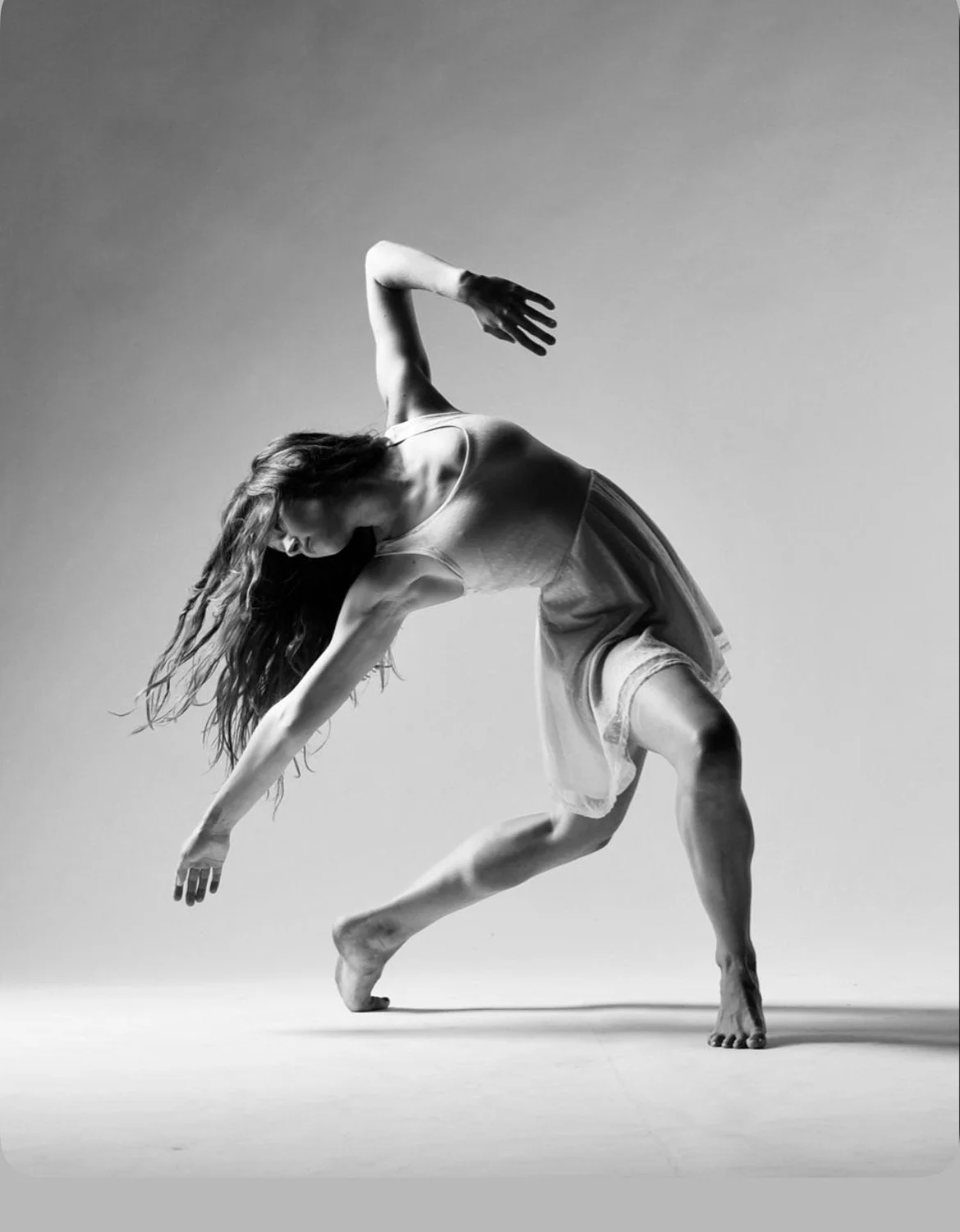
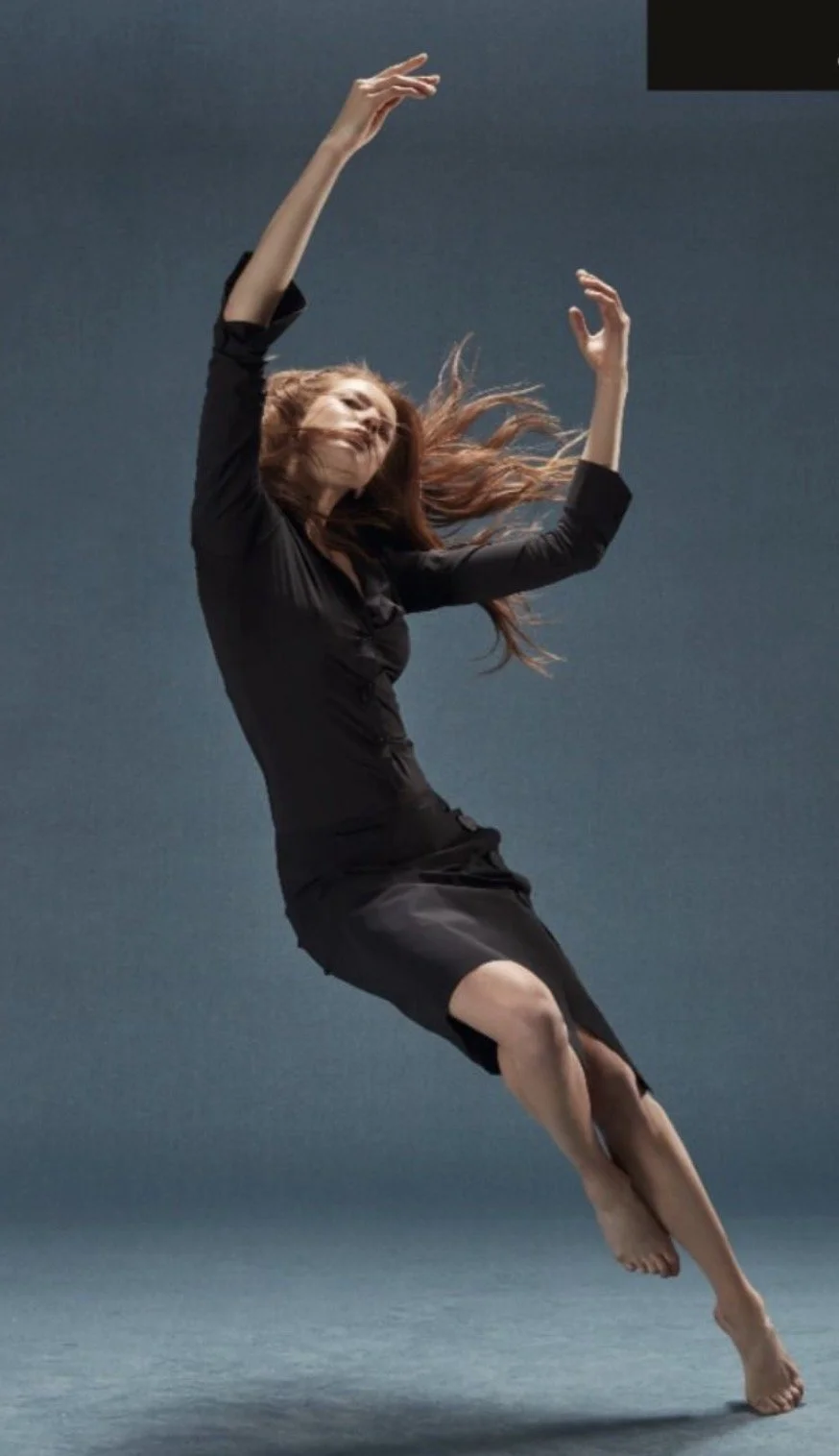
Actions, as moving the body and its parts through body weight, like falling from one side to the other, an arm swing or head nodding are defined as passive weight transfer.
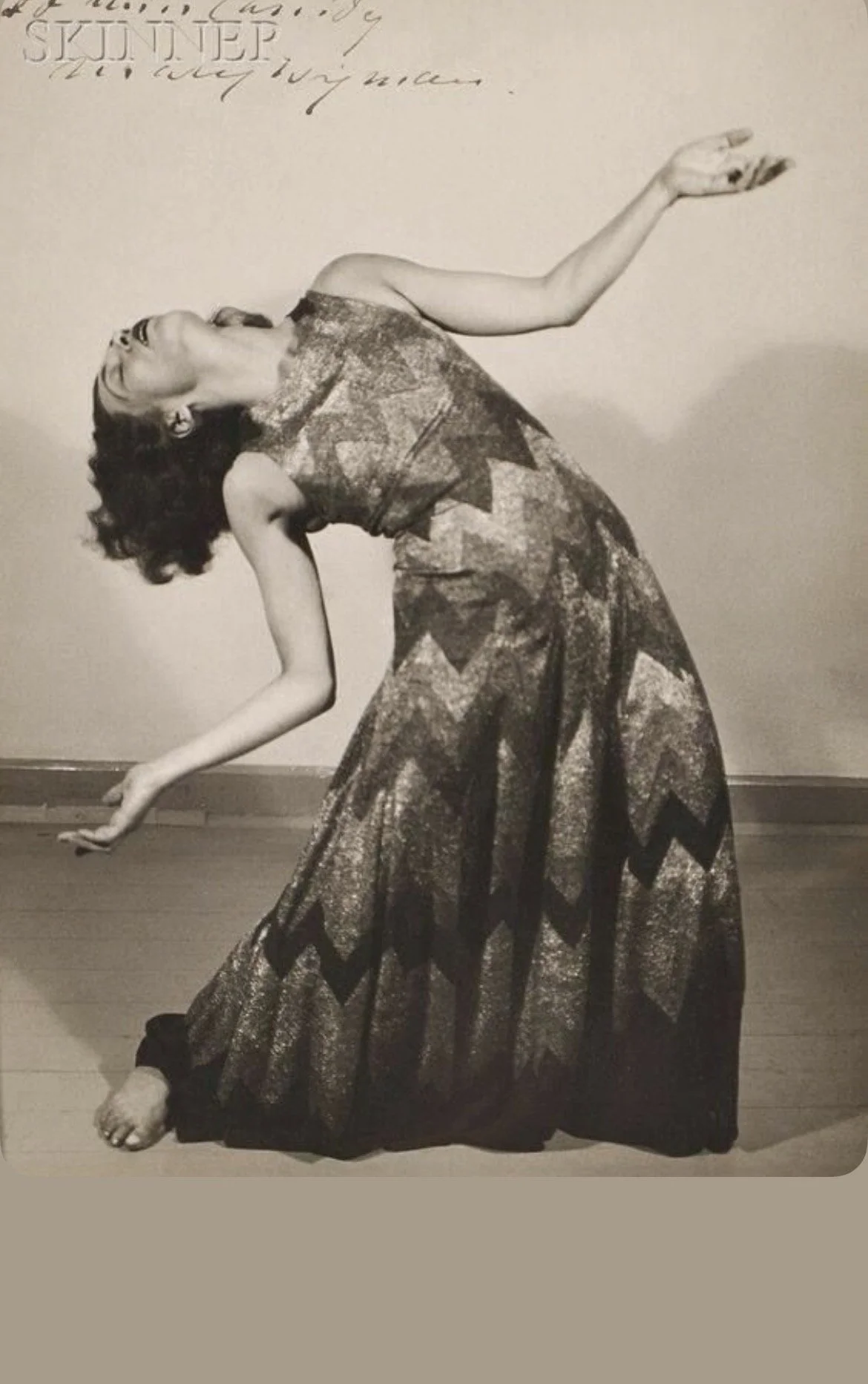
One approach uses muscular force to move in space, resulting in overcoming and resisting, “fighting” gravity. The other approach uses body weight to move in space, therefore resulting in assisting, giving in to gravity.
The quantity of Force depends on the intention of the action or grade of emotional intensity and can therefore always vary from very strong, strong, tense, economic, light, very light weighted……
Also the factor weight can have certain graduations. One can give in the body weight completely or gradually, from very heavy, to grades of giving in, holding the weight slightly back….
Understanding this, one realizes, that the two components, in this case body weight and muscular force are always simultaneously present but constantly vary in their portions.
The force qualities are defined as:
Strong and Light
Strong and light force in relation to the amount of muscular resistance or weight assistance to gravity.
Factor Time
The time factor in relation to Eukinetics
is related to the GRADE of Urgency, or
Un-Urgency.
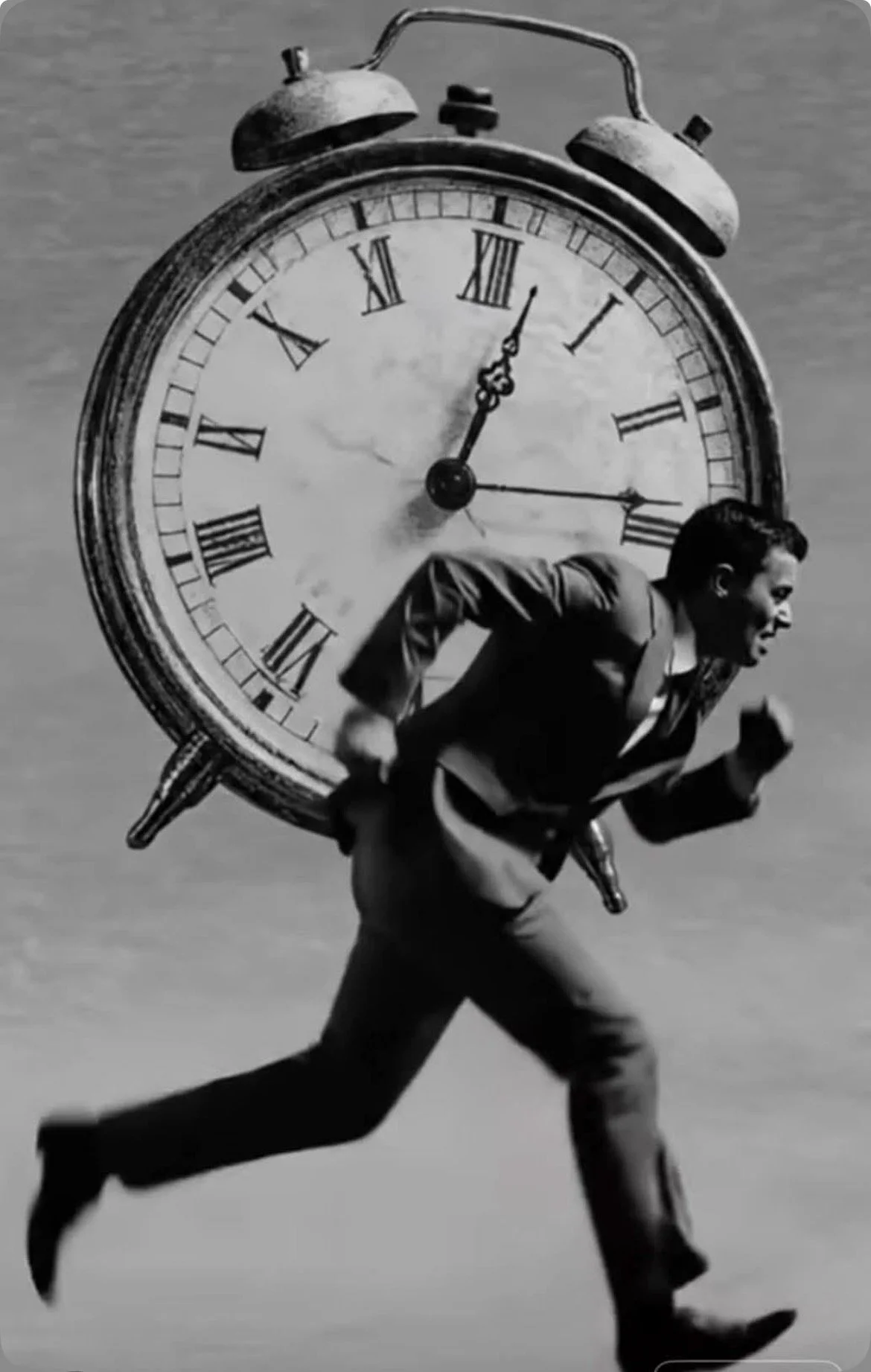
Attitudes to time like Hurry, Stress, Quickness, Swiftness or Restlessness etc. which cause veloce and quick body movements are an example of
Time-Urgency. In this case the inner attitude towards the factor time appears to be “fighting or struggling”.
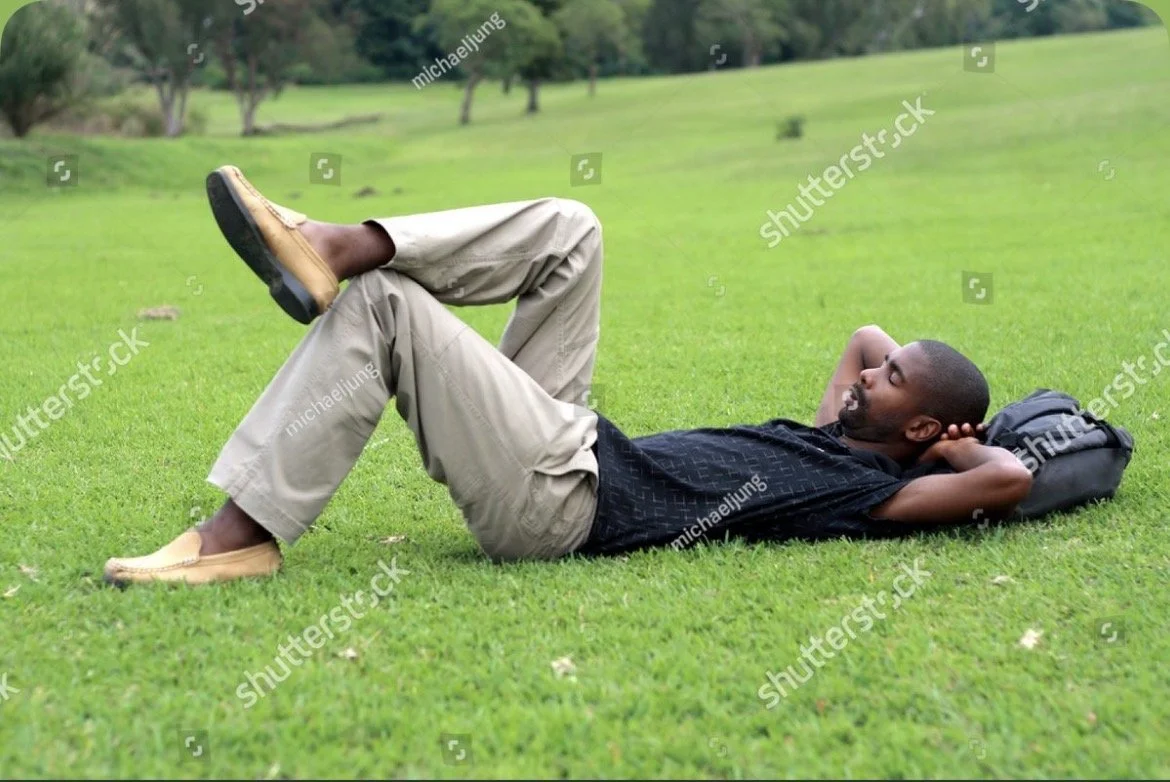
Attitudes to the time Factor as: calm, relaxed, without pressure or slowness which cause slower, controlled, longer and more continued body actions, are examples for Un-Urgency towards time. In this case the inner attitude to the factor time appears to be “giving in”.
The time qualities are defined as:
Sudden and Slow
Sudden, quick, fast, as well as unhurried or indulging and slow, seen in relation to
the DEGREE of fighting or giving in to the movement factor time.
The Factor Space
The movement factor space in Eukinetics is seen in a different relation to the body movement than described until now within the use of movement analysis.
Until now we have analysed and seen the factor Space in relation to the Body and its movements in space
Through Body- orientation as well as Movement- description in space.
Relating here to:
Space- Areas,
Space-Directions,
Space Levels,
Space-Pathways,
Space-Current
Space- Shapes,
Space-Planes
Space-Dimensions
Space-Scales.
……
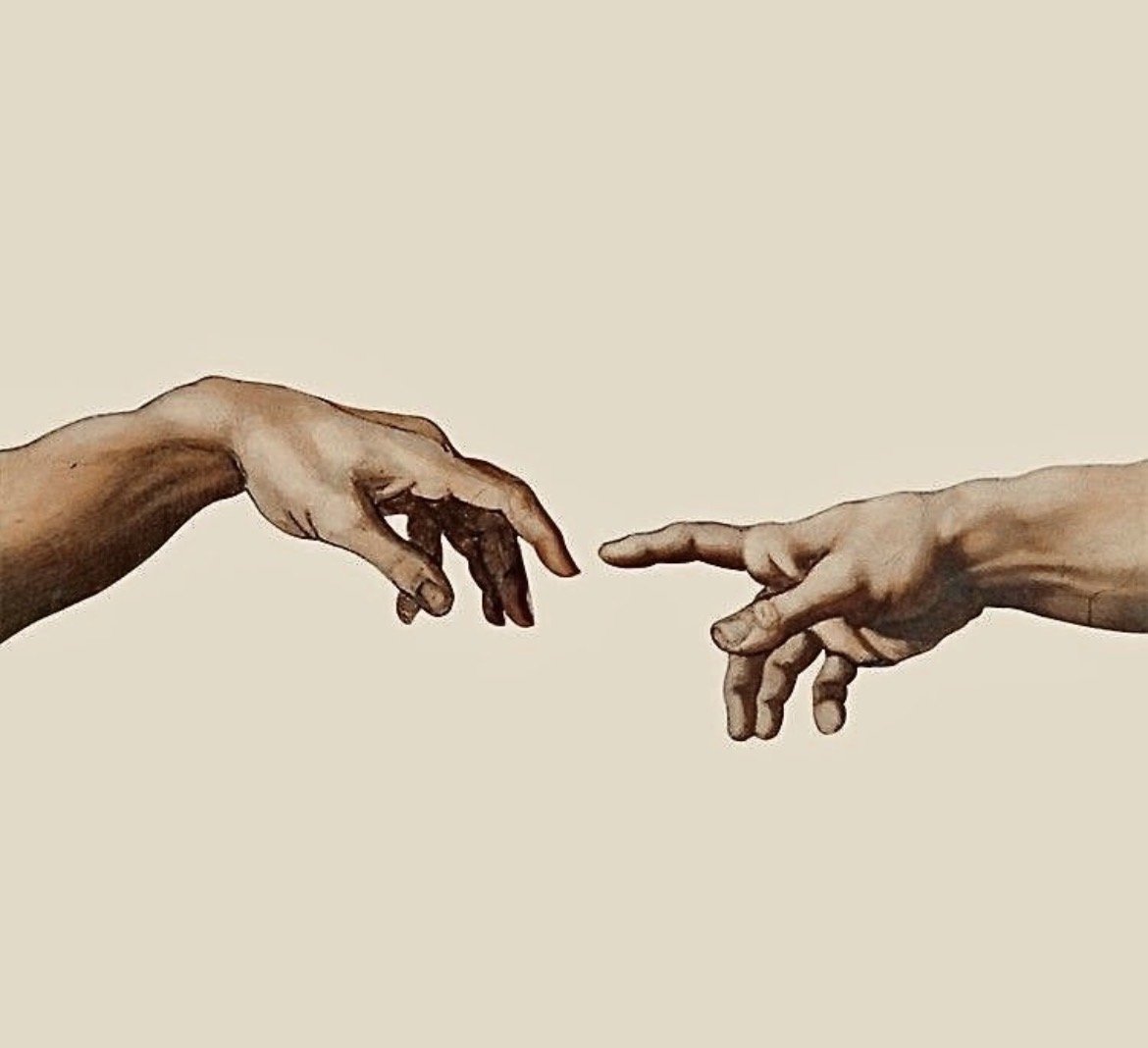
Space seen from the point of Eukinetics refers to the intension of the body movement to take an external or internal relation to space, means either to “touch”, to connect with the external space (the space around the body, further or closer) or to stay connected to the internal body space (the space within us) while moving.
During time many names are given to describe or to explain the space qualities.
-Inn Side/ Out Side Space approach
-Direct/Flexible Space approach
-One- Direction/Multiple-Direction Space approach
-Roundabout/Linear Space approach
-One- Muscular/Multi-Muscular Space approach
In my opinion all mentioned words, all verbal descriptions point out certain characteristics of the space qualities.
The expression Central/Peripheral introduced by Sigurd Leeder seems for me a logic mode to explain and describe the space factor within the terms of Eukinetics.
The body movement is a physical experience; therefore, one must practise with the body to get to a real and true physical experience and not just a mental understanding.
When the body or its parts relate to the external space, means when we “touch” the space around us or have a conscious spatial intention, we call this in terms of Eukinetics, a peripheral, direct space quality.
Here the movements appear more linear, don’t indulge in space but have a more direct approach.
On can observe a clearer body shape, and design. Means in other words, we observe an undeviating action, that stays on a clear path, without spatial distraction, steadily moving through space or to a specific goal.
The movements are guided by body edges, points and planes, in other words by the peripheral borders of the body.
When no spatial intention is present, the space relation of the body movement is concerned towards the internal space.
Visually the body moves in and through the general space but doesn’t relate to it. In this case we talk about a central space quality. Here one observes more an internal relation of the moving person than an outside intention.
The movements of the body appear more roundish; they initiate by the centres of the body and develop less linear.